

02 · The Problem
The gap in the water column
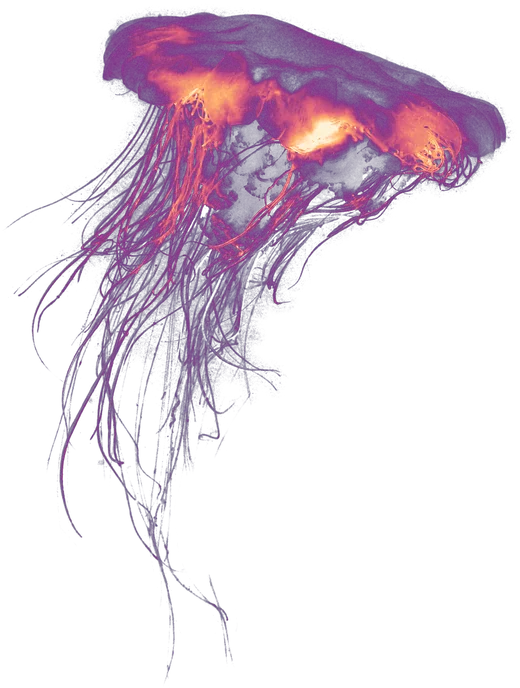
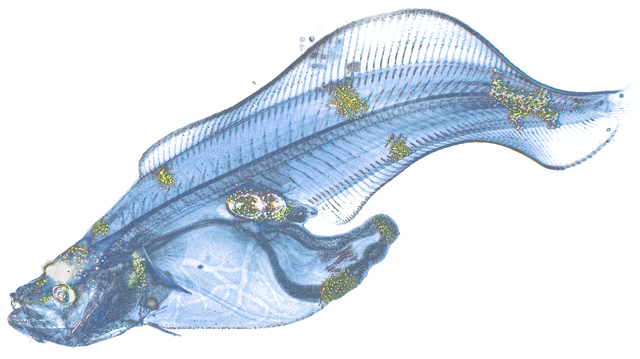
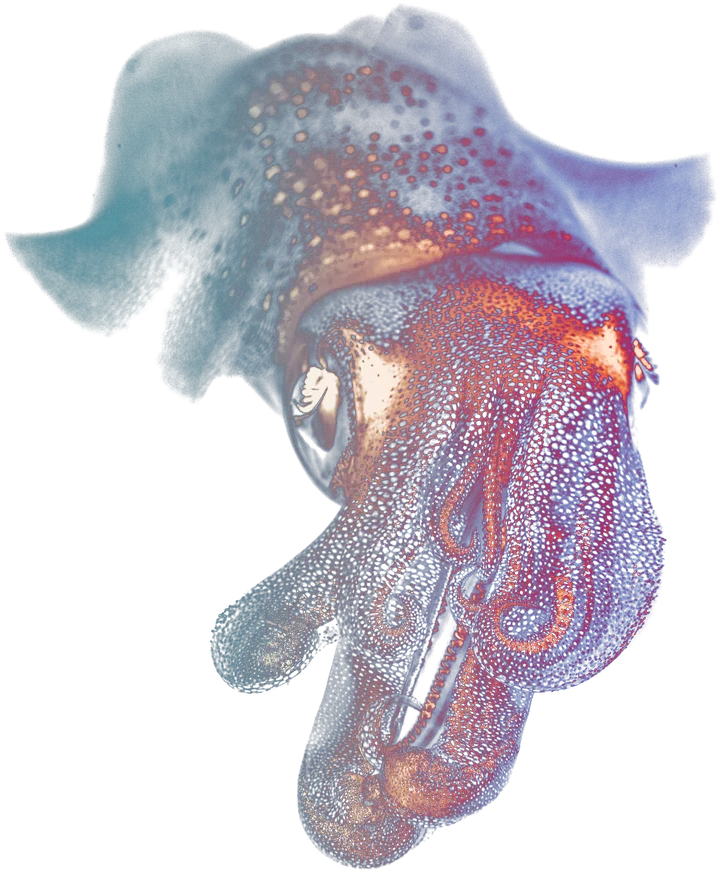
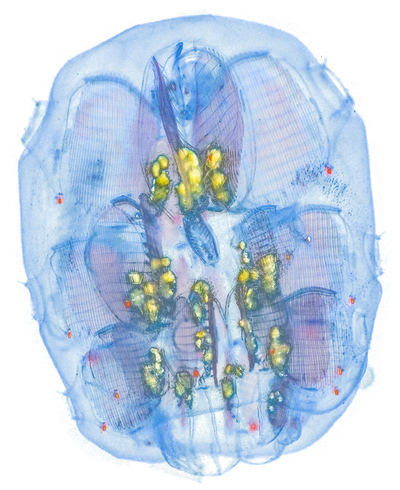
Between 50 and 300 meters lies the ocean's twilight zone. It's full of marine life, yet few people ever get to look at it.
Section 01
01
50–300 m
The ocean's twilight zone. Too deep for divers, too costly to revisit.
[ Source: Smithsonian ]02
$50K–$1M+
What commercial underwater robots cost: $50,000 to over $1 million.
[ Source: Deep Trekker ]Section 02
The water column, drawn to scale from the surface to 400 m
40 m · Recreational dive limit [ Scuba Diving ]
200 m · Rarely any significant sunlight below here [ NOAA ]
0–50 m
Sunlit. Within reach of divers.
50–300 m
Twilight zone. Too deep for divers, too costly to revisit.
300 m+
Reached by research ships and deep vehicles.
[ 01 ]
Too deep for divers.
Most of this zone is beyond safe diving limits.
Recreational scuba divers stop at 40 m (130 ft), a limit that goes back to the U.S. Navy in the 1950s.
[ 02 ]
Too expensive to visit often.
Remotely operated vehicles need pilots and boats, commercial underwater robots cost $50,000 to over $1 million, and ship time costs tens of thousands of dollars a day.
[ 03 ]
Close to home.
Deep reefs off Texas and Louisiana, including Flower Garden Banks, sit in this zone.
Most of the sanctuary's habitats lie 40 to 221 m down, and in the past 20 years researchers have found new species of shrimp, squat lobster and black coral there.

[ Talosaur ]
Talosaur is a Texas-based student team building a low-cost underwater robot that finds, follows and films marine life there.
[ Pressure ]
About 31 atmospheres.
Every 10 m of seawater adds about one atmosphere of pressure. At 300 m it is about 31 times the pressure at the surface.
[ Source: NOAA ]